Research
Most of our work starts with being curious about a species, a system, or a place. Then we use what we find to help fish, and to help the people who look after them.
Fisheries-induced evolution
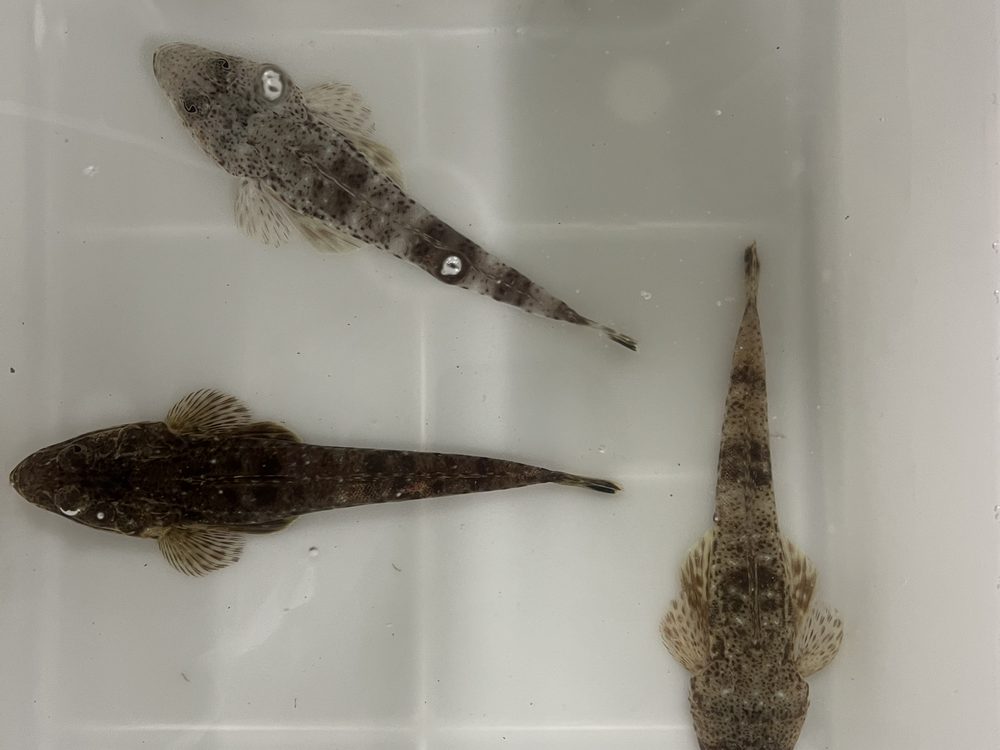
Fishing rarely takes fish at random. It usually removes the largest and fastest-growing individuals, and over generations that can shift growth, maturation, metabolism, and behaviour in the populations left behind. We study whether those shifts happen, and whether they are plastic or heritable.
Main speciesSand flathead
Digestive physiology and specific dynamic action
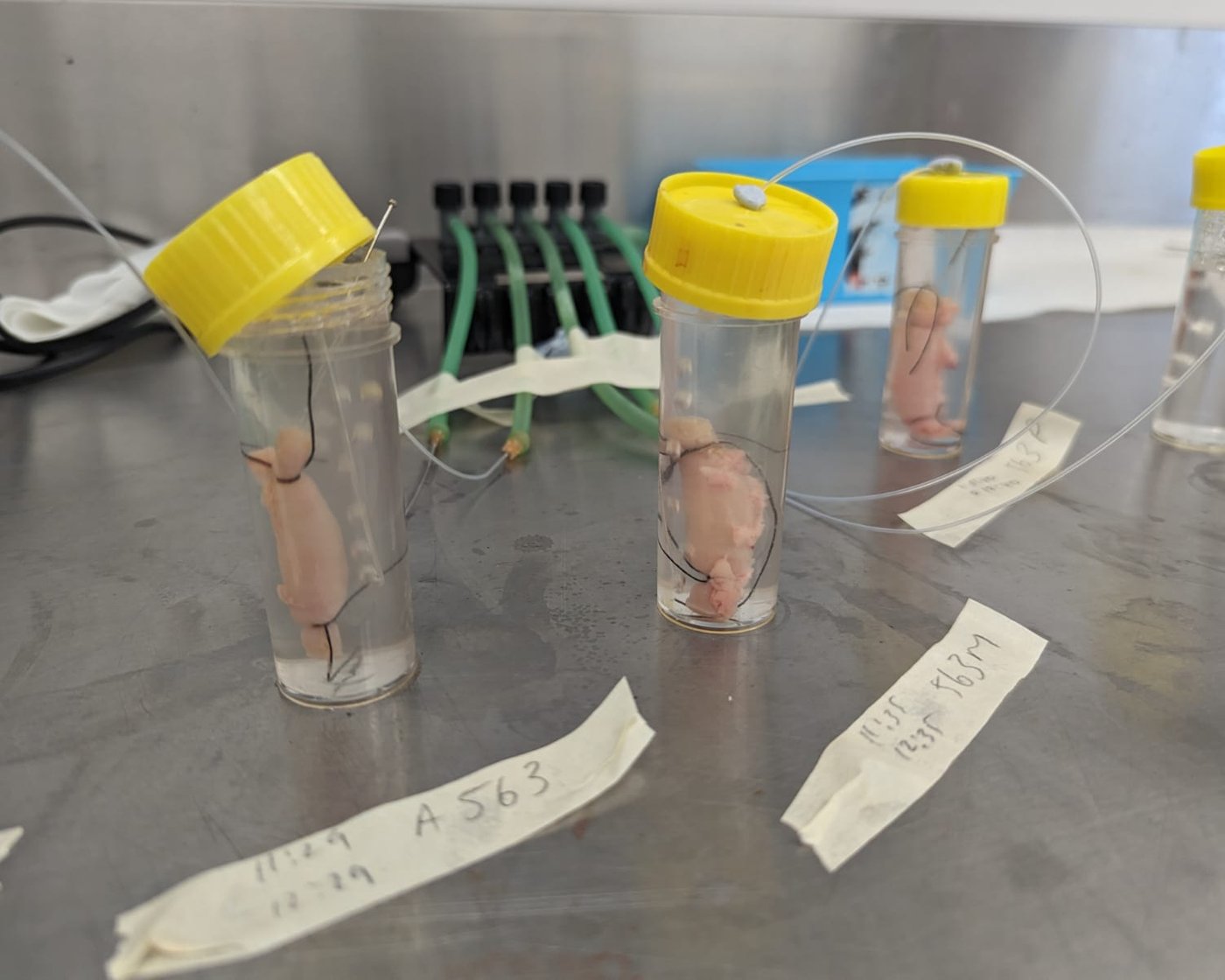
Digesting a meal takes energy. Specific dynamic action, the rise in metabolic rate after feeding, captures the cost of processing food and building new tissue. We study how fish digest, absorb, and pay for a meal, and what that tells us about how they put energy into growth.
Main speciesSand flathead, rainbow trout, barramundi, skates, and air-breathing fishes
Climate resilience
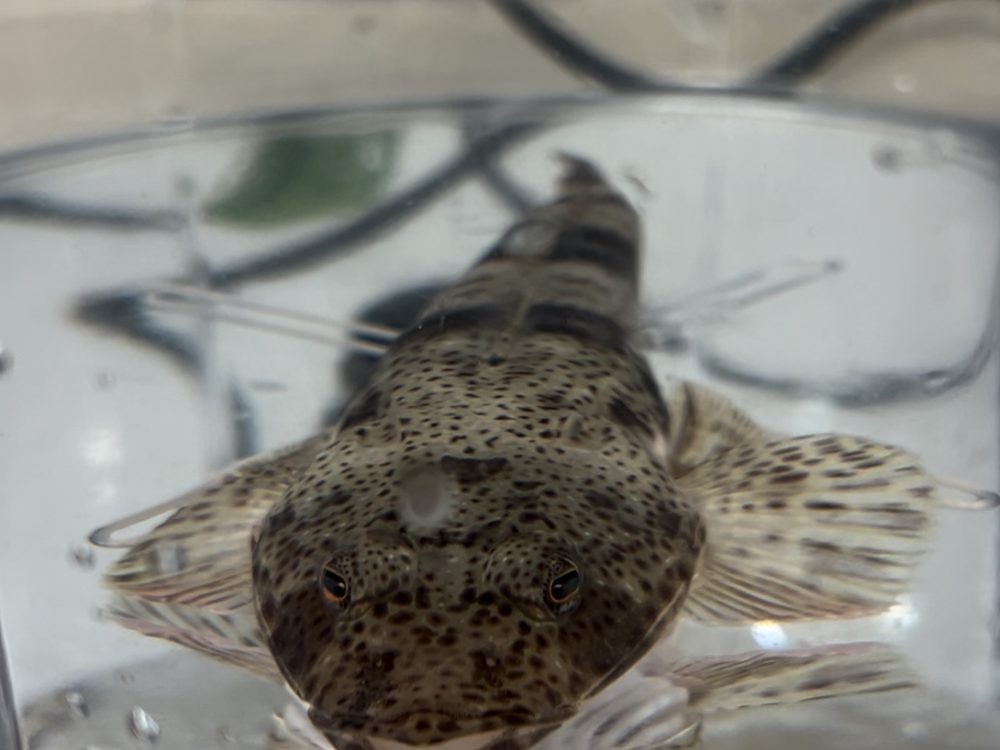
Warmer water holds less oxygen while raising a fish’s demand for it. We study how temperature, low oxygen, and a fish’s own history combine to set the limits of what it can do, and why some individuals cope better than others.
Main speciesAtlantic salmon and sand flathead
Capture, release, and angling
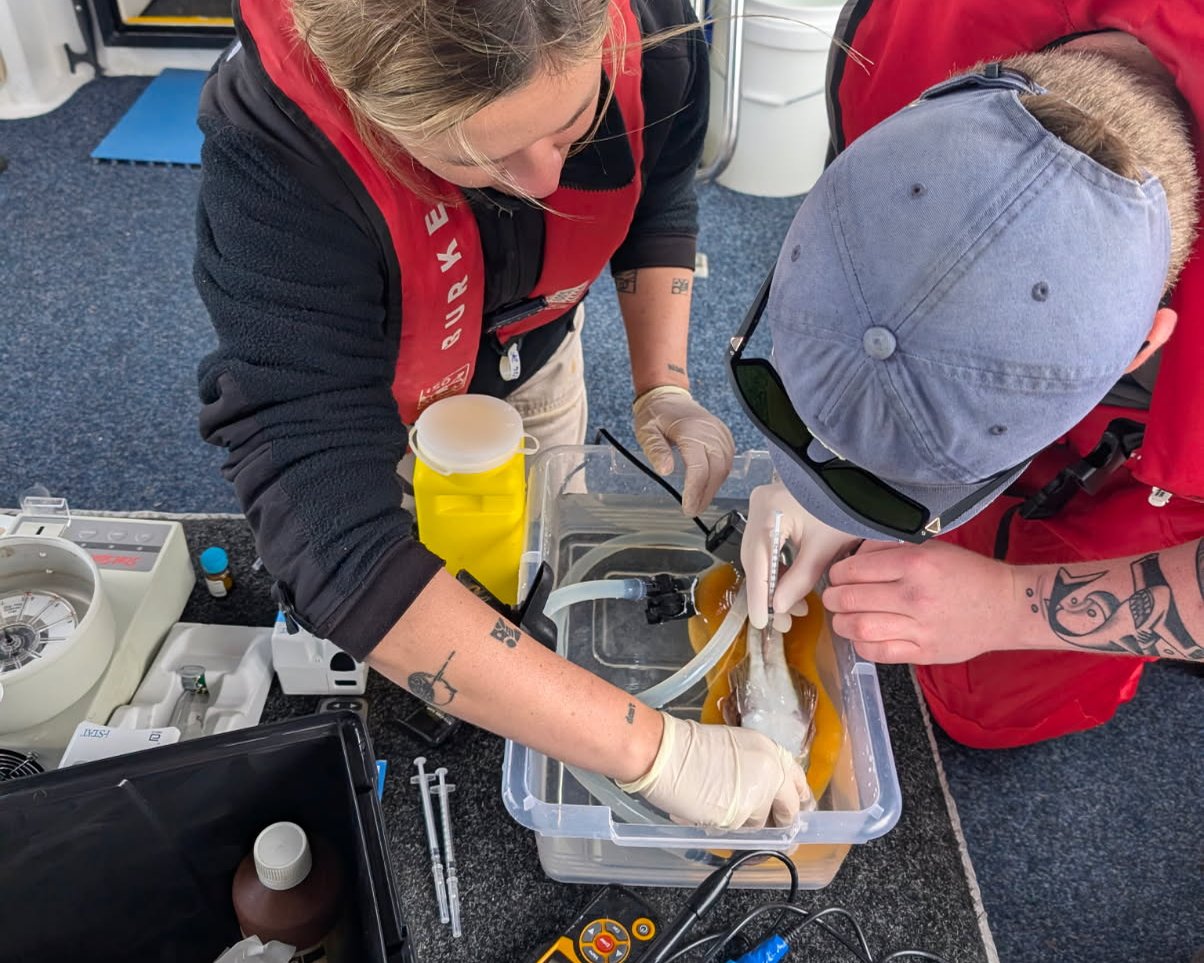
Many fish that are caught are let go again. Whether they survive depends on the physiological disturbance of capture and how quickly they recover from it. We measure the effects of catch and release across different species and environments to inform best practice for recreational anglers.
Main speciesSand flathead and swordfish
Why do some fish grow faster than others?
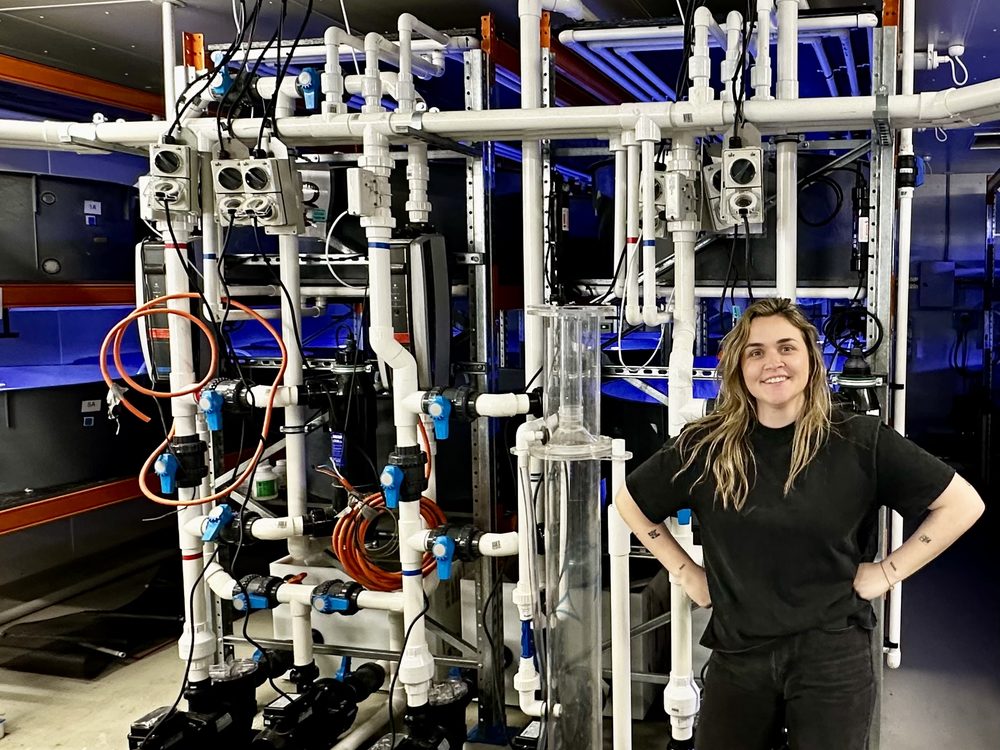
Fish raised in the same tank, on the same feed, can grow at very different rates. We look at the gut, the heart, and metabolism to explain that variation, and at how feed and rearing conditions can be adjusted to improve growth and welfare in aquaculture.
Main speciesAtlantic salmon
Interested in working with us? Get in touch.